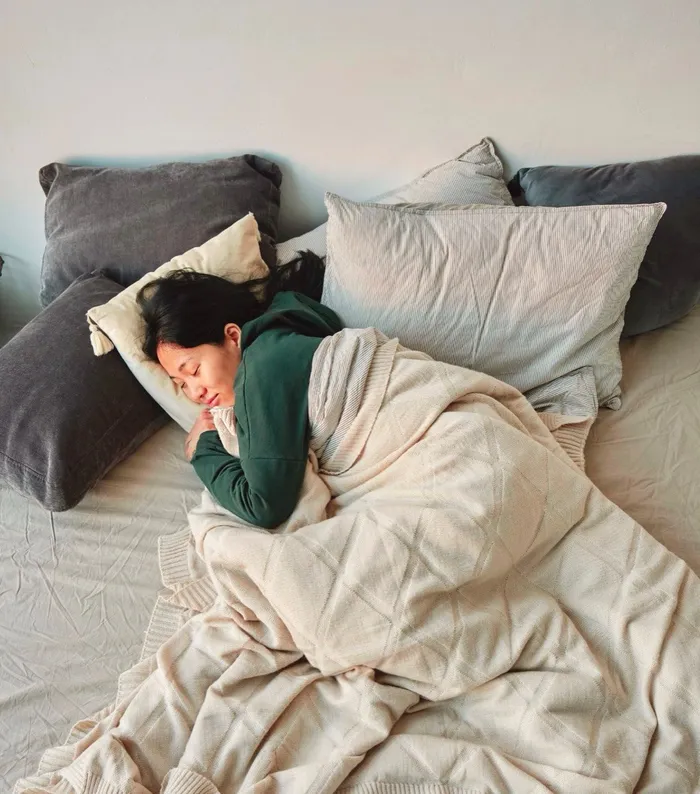
You are getting your seven to nine hours. You have the blackout curtains. The magnesium. The wind-down routine.
And you still wake up exhausted.
If this sounds like you and fatigue continues despite healthy sleep habits, it may be worth considering other contributing factors.
The fatigue that good sleep habits will not touch
Persistent fatigue despite adequate sleep is one of the most common complaints women bring to a consultation. And one of the most commonly under-investigated.
Common strategies such as ‘get more exercise’ or ‘try melatonin’ may not address all factors contributing to persistent fatigue.
None of that addresses what is actually happening. And when fatigue sticks around for weeks or months, it deserves a proper investigation.
What a clinical review may consider
Rather than assuming a single cause, a structured clinical review may consider a range of factors that can contribute to fatigue in women. Not all of these investigations are required for every person; your clinician will determine what is appropriate for your circumstances:
- Iron and ferritin: low stores cause fatigue well before you become technically anaemic
- Thyroid function, including antibodies, not just TSH
- Vitamin D and B12: both commonly low, both commonly missed
- Cycle phase and perimenopausal shifts: timing matters more than most people realise
- Blood glucose patterns and insulin sensitivity: metabolic changes may not be apparent without testing
- Sleep architecture itself: if there is snoring, restless nights, or frequent waking, the hours may not be doing what you think
Why this matters more than you think
Fatigue is not a personality trait. It is a symptom. And for women especially, it tends to get normalised instead of investigated.
A structured review with a clinician who takes it seriously can help explore factors that may be contributing to your fatigue. Sometimes a single factor stands out. Sometimes several are involved. Either way, you deserve to know.
If fatigue has persisted for months, a proper assessment is where the answers start.
Individual results vary and assessment findings do not guarantee a particular outcome.
Reviewed by an AHPRA-registered practitioner.