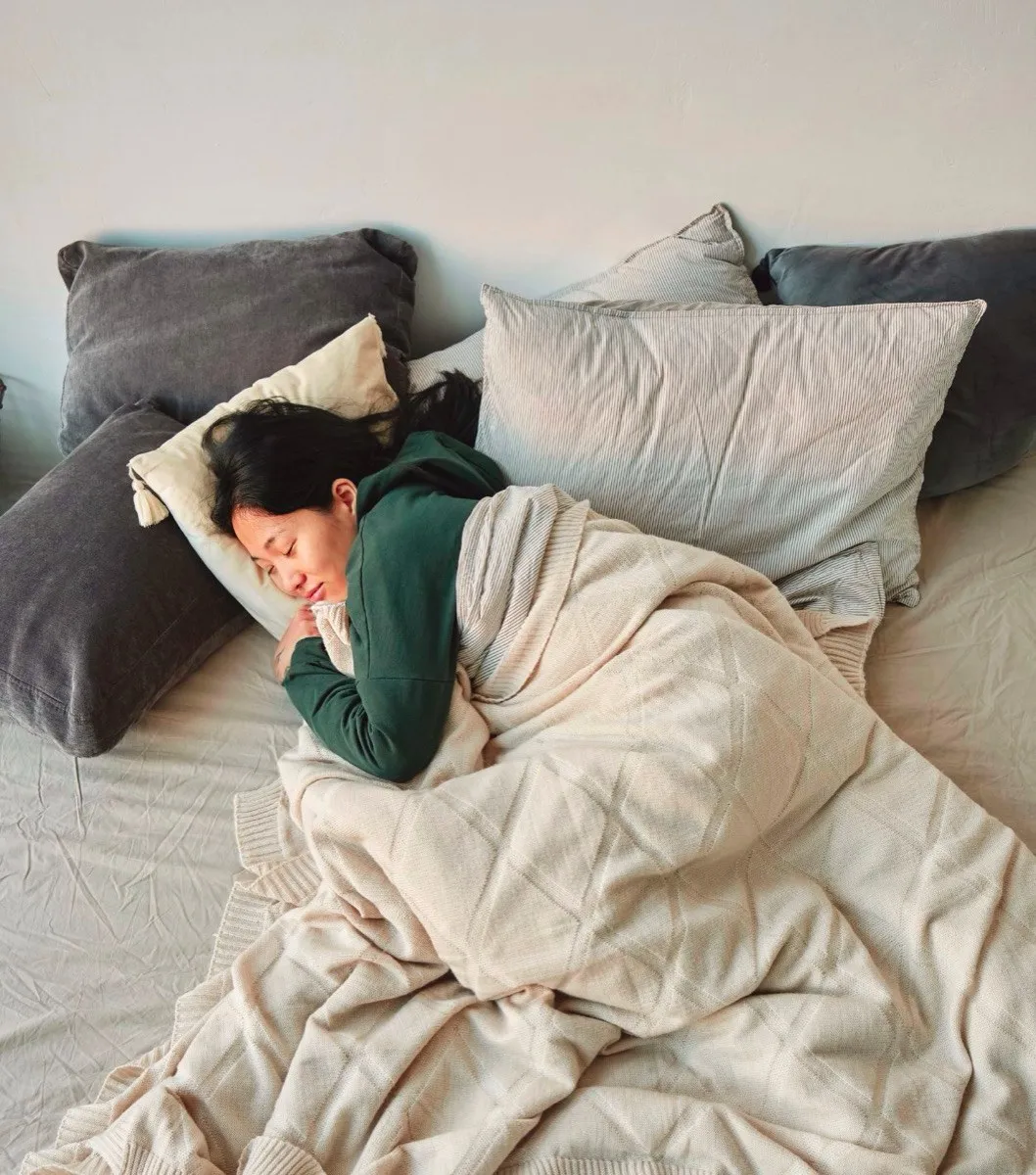
You fall asleep just fine. Then somewhere between 2 am and 4 am, your eyes snap open. Your brain is already racing. And sleep? Gone.
If this is your nightly routine, keep reading. There may be several factors contributing to this pattern.
The pattern behind the wake-up
Many women describe the same experience: easy enough to fall asleep, then a sharp wake-up in the middle of the night. Sometimes wired. Sometimes anxious. Sometimes both.
Possible factors that may contribute to sleep disruption include stress responses, metabolic factors, hormonal changes, and individual circumstances. For example:
- A shift in cortisol rhythm, which may contribute to waking in the early hours
- Overnight blood glucose changes, which may be influenced by your evening meal
- Hormonal changes, particularly during perimenopause
Sleep changes can be influenced by many factors, and understanding your individual circumstances can help guide appropriate next steps.
What to try first
Before you book anything, these adjustments may support healthier sleep habits and are worth considering as part of a broader approach:
- Protein with your evening meal to steady overnight glucose
- A cool, dark room with a consistent bedtime and wake time (yes, weekends too)
- Limited alcohol, which fragments the second half of your sleep cycle more than most people realise
- Gentle breathing or grounding techniques if you do wake, instead of reaching for your phone
These are free, evidence-supported, and worth trying for two to three weeks before escalating.
When to seek a clinical review
If the pattern is persistent, affecting your daytime function, or accompanied by hot flushes, night sweats, mood changes, or cycle shifts, a clinician review is worth the time.
There are multiple clinical options that may help, and the right one depends on your full picture: your age, your symptoms, your bloodwork, and what you have already tried.
Sleep disruption can involve multiple contributing factors. A clinical review can help explore what may be contributing in your circumstances.
Individual results vary and assessment findings do not guarantee a particular outcome.
Reviewed by an AHPRA-registered practitioner.